
A day in the life


School, Reimagined
Imagine a school day where your child doesn’t just learn; they grow into a confident, capable and curious individual.
At Open Air, every moment is designed to nurture life skills that matter for the future: effective communication, independent research, self-management, collaboration and critical thinking.
Mornings are focused on mastery and enquiry. Students explore maths, writing and science through hands-on projects and immersive challenges that build deep understanding and problem-solving ability. They practice planning their work, managing time and reflecting on progress; essential skills for lifelong learning.
Throughout the day, children pursue self-directed enquiries and projects, allowing them to explore their passions, ask questions and develop research skills. Working in pairs, small groups, or across age levels, they strengthen collaboration, empathy and social intelligence; learning to communicate clearly, listen actively and contribute meaningfully.
Teachers act as mentors and guides, supporting each child to take ownership of their learning, develop creative solutions and think critically about the world around them. This personalised approach helps students gain confidence, resilience and the ability to adapt to new challenges.
By the end of the day, students leave inspired, reflective and equipped with practical skills for the future; the ability to manage themselves, solve problems, communicate effectively and engage thoughtfully with others.
Open Air isn’t just a school; it’s a training ground for independent, thoughtful, and capable learners, ready to thrive in whatever path they choose.
-
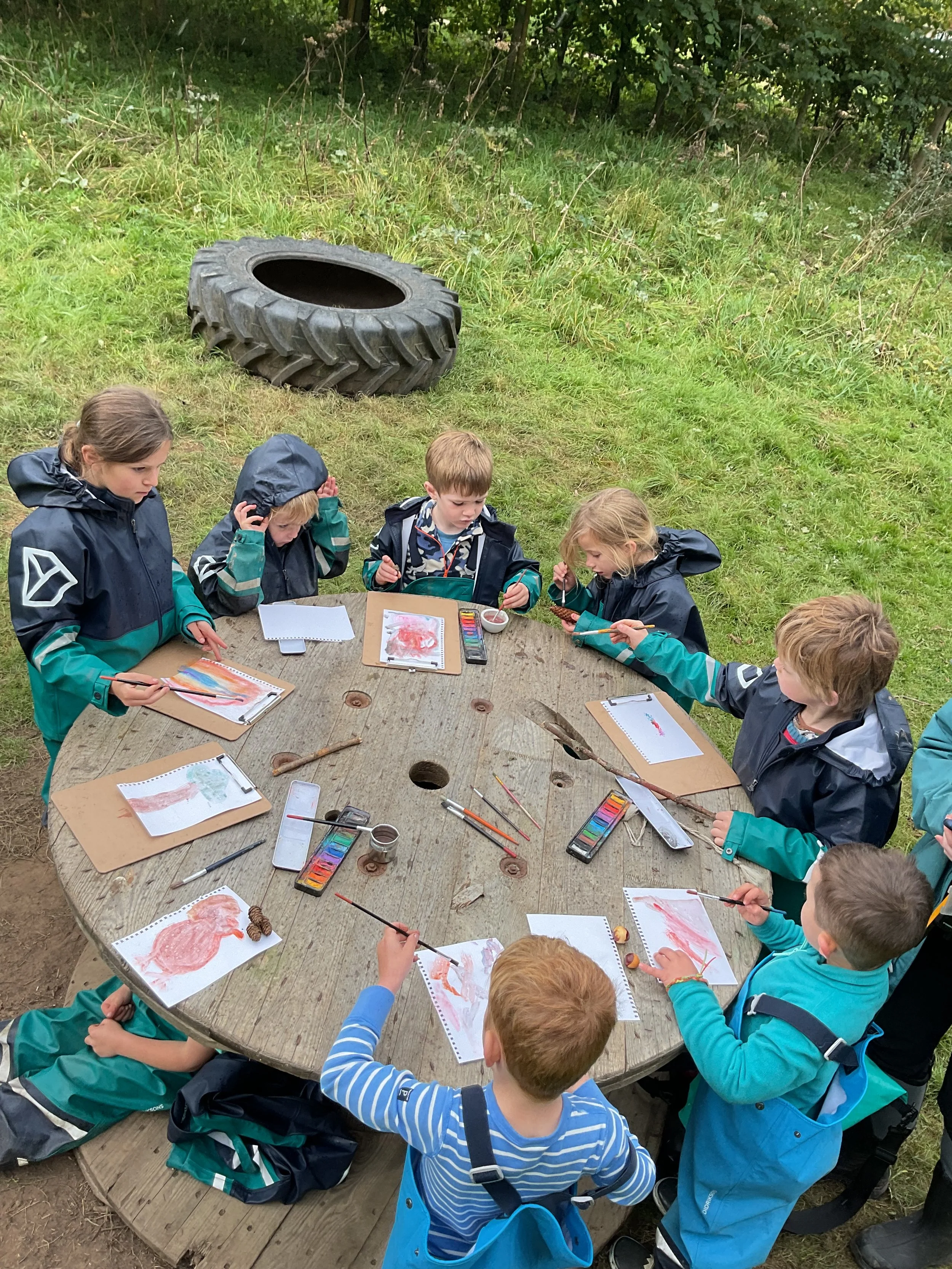
8:45–9:15am | Arrival & Community Time
Children arrive to the sounds of birds, not bells.
Morning meeting begins at 9:15am in our community circle; a space for mindfulness, songs, brain teasers, challenges and stories that set a calm, purposeful tone for the day.
It’s where friendships are strengthened, ideas are shared and every child feels seen and ready to begin.
-

9:30am–12:00pm | Masterclasses & Projects
Mornings are for deep focus and discovery.
Our Masterclasses follow the Pomodoro technique; short, focused bursts of learning followed by active breaks outdoors. This rhythm mirrors how the brain learns best: concentrated effort balanced with rest, movement, and reflection.
Each session is part of a wider theme that connects subjects and ideas. A project on “Water” might include science through the water cycle, maths through rainfall data and citizenship (humanities) through global water challenges.
Students work collaboratively on projects that integrate knowledge with purpose; designing, building, experimenting and problem-solving in ways that make learning real and lasting.
-

12:00pm | Lunch & Free Play
Lunchtime is slow, social and shared.
Children eat healthy meals together either from our on site café, or packed from home, often dining al fresco, before engaging in one of our lunchtime clubs such as chess, table tennis or art, or maybe exploring the meadows, climbing, or tending to the garden.
This free, unstructured time helps them rest their minds, move their bodies and reconnect with friends in nature.
-

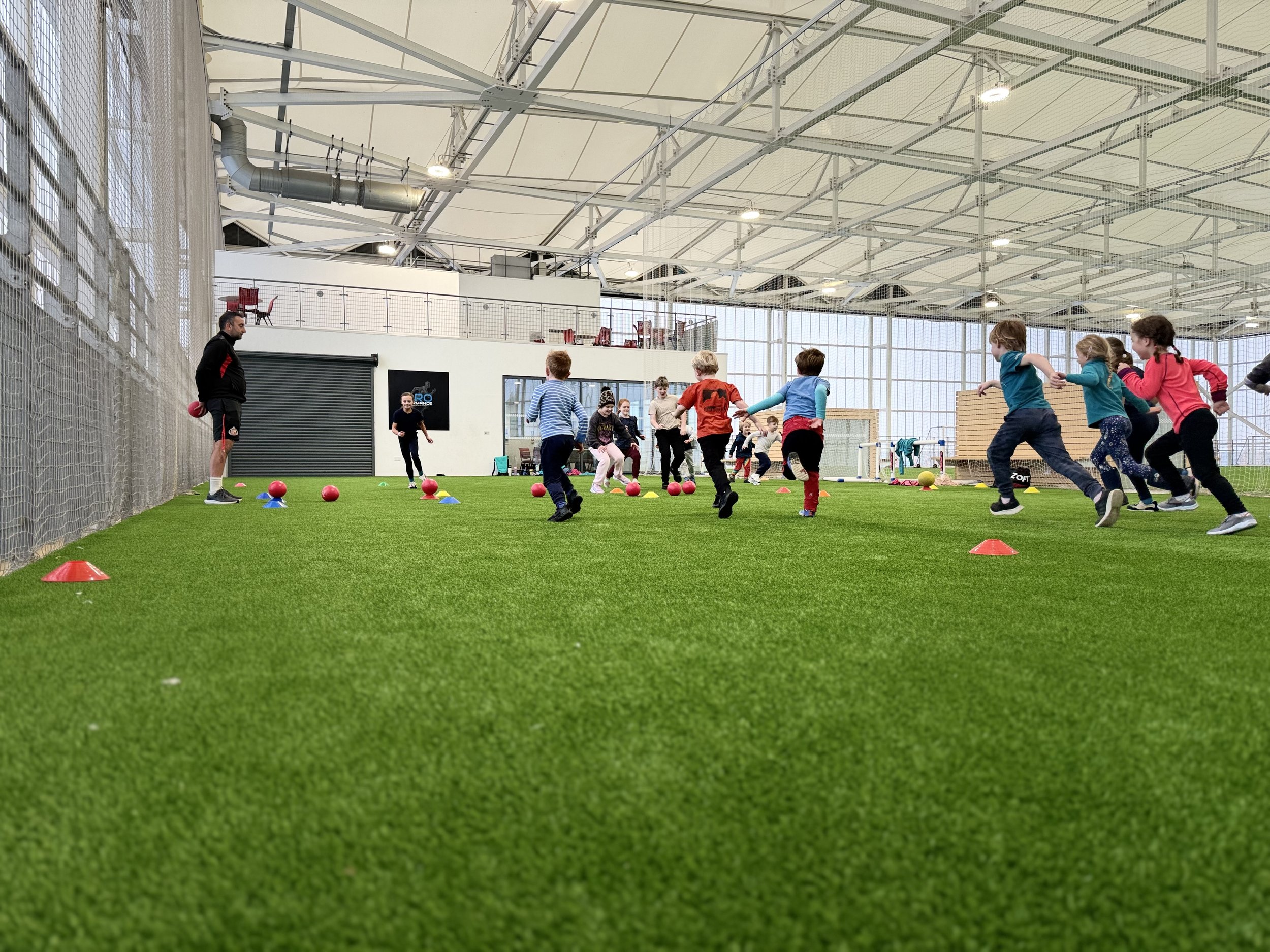
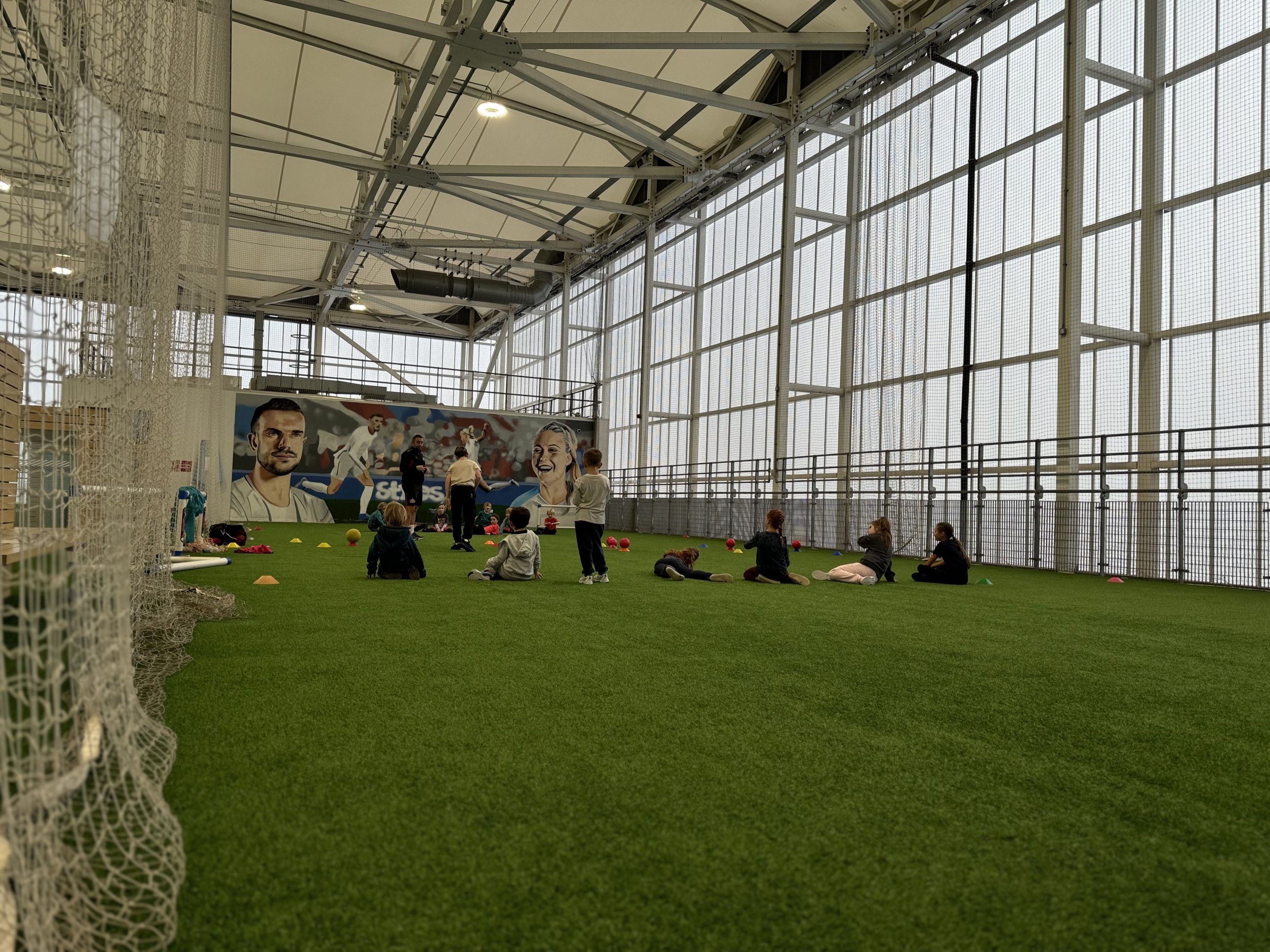
1:00–3:30pm | Creative Expression & Hands-On Learning
Afternoons are for movement, imagination and making.
Children might paint, play music, build, or take part in sport. They might lead projects, care for the gardens, or design solutions for sustainability challenges.
We use specialists for all specialist subjects; music with musicians, art with artists, sports with coaches at The Beacon of Light.
-

3:30–4:15pm | Reading, Reflection & Closure
We end each day the way we start; together.
Reading books, reflecting and social time.
In our closing circle & end of day meetings, children share what they’ve learned, what challenged them and what they’re proud of.
This daily moment of reflection builds gratitude, emotional intelligence and a growth mindset that lasts long after the day ends.
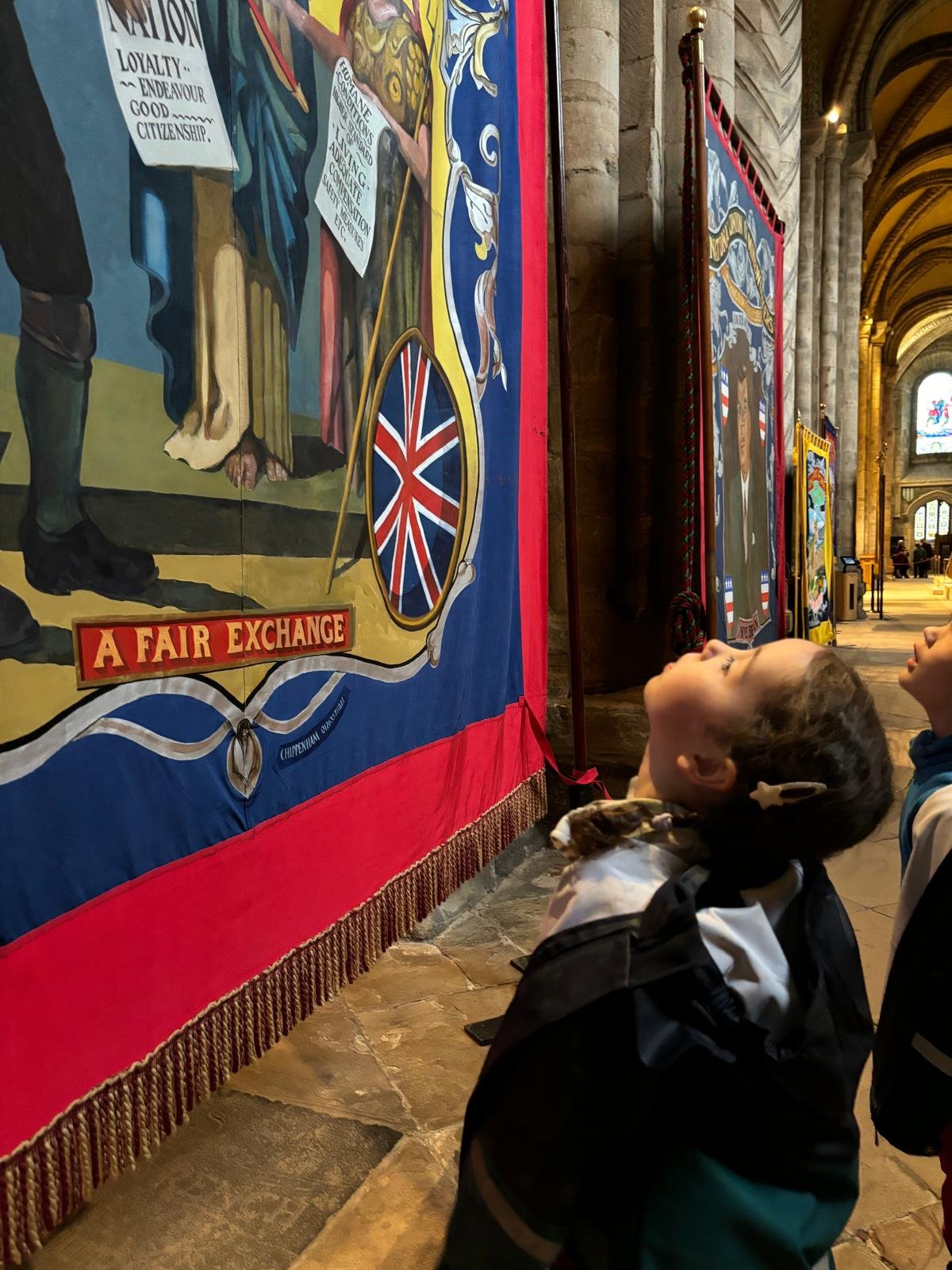

Aspirational, joyful thriving
The ultimate purpose of education is to prepare us for life. To this end, education needs to focus on more than knowledge recall alone. Alongside knowledge, there are all-important skills, values and actions which are critical to strengthen and develop over the course of a child’s education.
Why a 4 day week?
At Open Air, we believe that a shorter school week creates more space for learning, growth, and wellbeing; for students, teachers and families alike. Drawing on research and our experience at our Early Years sister sites, we’ve found that a 4-day week empowers children to thrive in every aspect of school life.
Wellbeing and Balance
Recharge and Refresh: Students return to school energized, focused and ready to learn after an extra day to rest, explore, or pursue hobbies.
Reduced Stress: A condensed week alleviates pressure, helping children build resilience, self-regulation and emotional wellbeing.
Stronger Attendance: Fewer missed days means continuity in learning and engagement with peers.
Academic Focus and Mastery
Heightened Concentration: Shorter weeks increase focus and productivity during school days, supporting deeper understanding and retention.
Independent Study: Extra time outside school encourages research, project work and self-directed learning; building critical thinking and self-management skills.
Holistic Development through Enrichment
Pursue Passions: Students can explore sports, arts, and community projects, nurturing creativity, collaboration and leadership.
Optional Workshops: Dedicated time for enrichment programmes allows children to try new experiences and develop life skills beyond the curriculum.
Family and Community Connection
Quality Family Time: Longer weekends help strengthen family bonds, supporting social and emotional growth.
Community Engagement: Students have space to participate in volunteering or local initiatives, fostering empathy, responsibility and a sense of belonging.
Supporting Educators for Better Learning
Teachers gain time for planning, professional development and collaboration, ensuring lessons are engaging, personalised and impactful.
Why it matters:
A 4-day week doesn’t just shorten the school week, it expands the opportunities for students to grow academically, socially and emotionally. Children develop focus, independence, resilience, and leadership skills while enjoying time to explore their passions, connect with their community and recharge; preparing them for lifelong success.
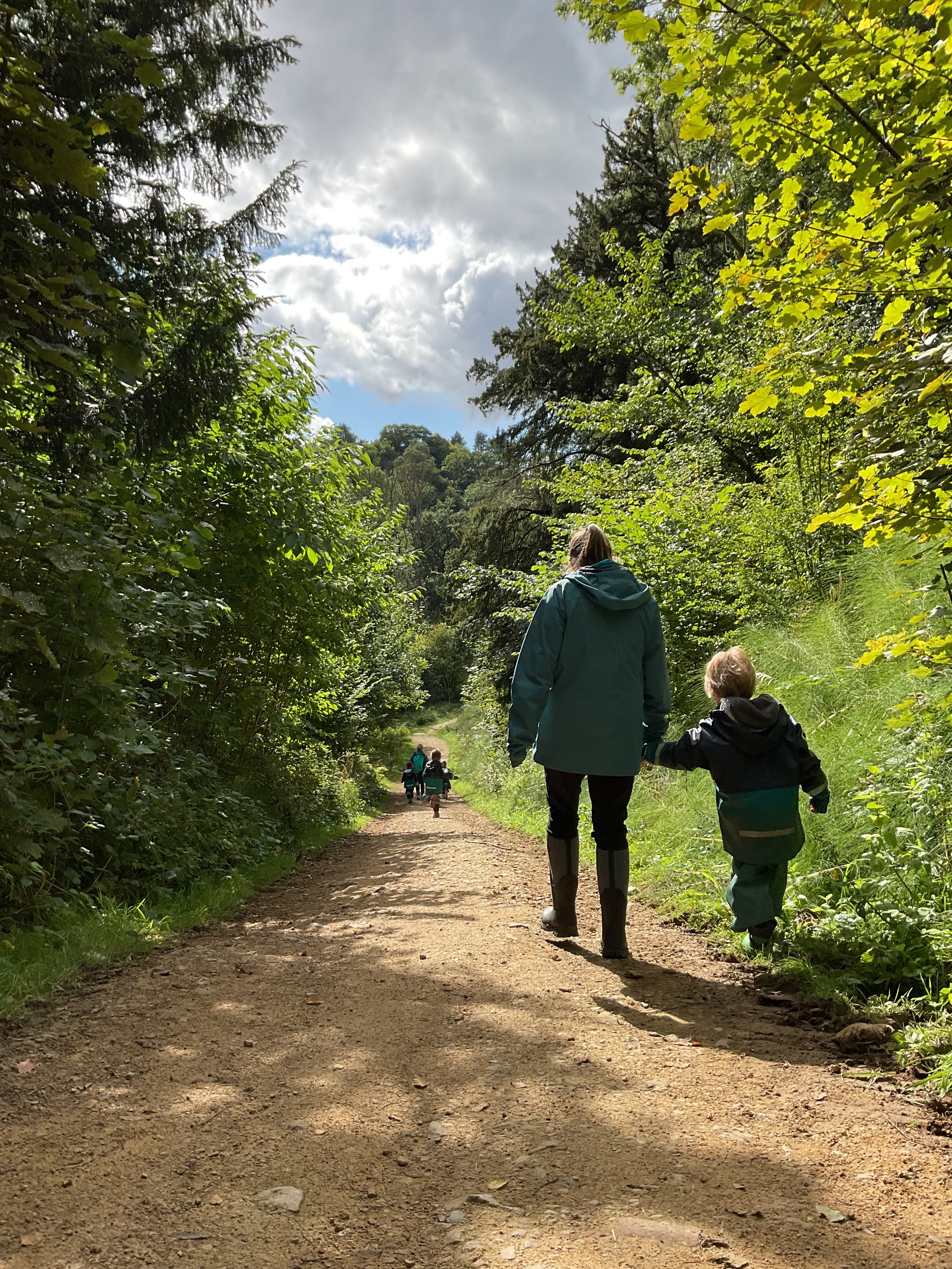


The Power of Small Class Sizes at Open Air Education
At Open Air, small class sizes are more than a number; they’re a key to unlocking each child’s potential.
Personalised Learning
Teachers can tailor lessons to each student’s strengths, interests and learning style.
Children receive meaningful feedback, learn at their own pace and build confidence in their abilities.
Result: deeper understanding, higher attainment and stronger academic foundations.
Active Participation and Engagement
Smaller classes encourage every child to contribute, ask questions and lead discussions.
Students develop communication skills, learn to articulate ideas clearly and gain confidence in sharing their voice.
Stronger Relationships and Support
Educators form closer connections with students, fostering trust, motivation and a love of learning.
Peer interactions are richer and more collaborative, helping children develop teamwork, empathy and social skills.
Flexible and Dynamic Learning Environment
Teachers can adapt lessons in real time to match students’ needs, interests, and curiosity.
Students gain critical thinking, problem-solving and decision-making skills as they actively shape their learning experiences.
Why it matters:
Small class sizes create an environment where students are seen, heard and challenged. Children not only achieve academically, but also grow as confident, independent and socially capable learners; ready for the next stage of their education and beyond.